

NN#7: A New Climate Catechism
It’s time for energy and climate modelers to start trying to tell the world what’s likely to happen, and show them how to phase out fossil fuels completely.
It’s time for energy and climate modelers to start trying to tell the world what’s likely to happen, and show them how to phase out fossil fuels completely.

As data centers continue to be built across the US and elsewhere, popular resistance to them is mounting in reaction to rising grid power costs and resource demands. Accordingly, regulators and legislators are finally beginning to respond.
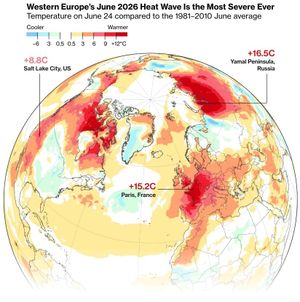
The summer of 2026 is bringing the most compelling argument yet for the energy transition: Intolerable, deadly, damaging heat.

Much of the world is backsliding on their climate commitments just when we need them to be increasing their ambition, but taking action when it’s difficult is the name of the game.

A selection of new tools and databases offer excellent free resources for energy transition researchers, modelers, and advocates.

Climate and energy transition campaigners are softening their language and avoiding confrontation when they should be increasing their ambition and vigorously delivering messages that are proven to work.
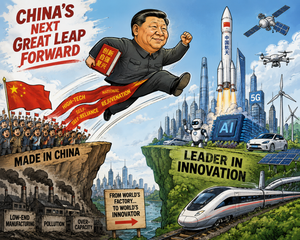
While the Trump administration has embroiled itself in multiple military conflicts in pursuit of an “energy dominance” based on the fuels that are getting rapidly phased out, China is seizing the opportunity to dominate in the energy transition solutions that are displacing them.

The American Century is over and the Asian Century is rising rapidly. But much of the Western policy establishment still hasn’t noticed.
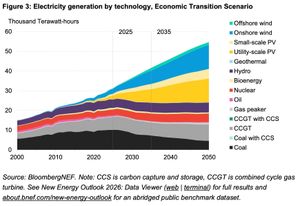
Four recent reports detail how the energy transition is continuing to accelerate, with wind and solar utterly dominating new generation capacity, electrification expanding, and fossil fuels getting phased out.

Carbon capture and sequestration (CCS) is suddenly vogue again. But its business case is as bad as it’s ever been. So why now?

There’s a new wave of chatter and press coverage about carbon capture and storage (CCS) technologies. But not because it’s now a real climate solution.
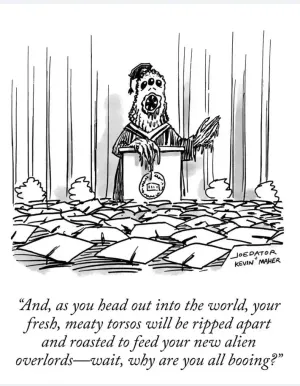
We’ve been told that we have to accept data centers being located in our communities and on our grids. But before we do, we ought to demand answers to some major questions about our social priorities.
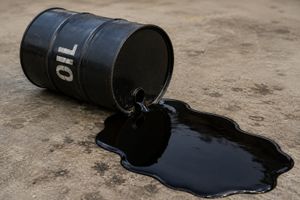
Global oil inventories are approaching critically low levels, while oil prices remain remarkably modest. So what gives? We examine the data in search of a clue to what happens next.

One of the most illuminating ways of understanding what needs to be done is to think about how individual countries can navigate their own “mid-transitions.”
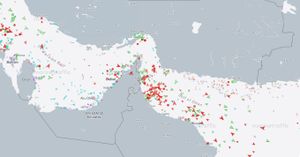
Trump may have done more to accelerate the energy transition than policy ever could.
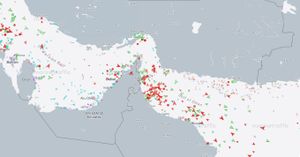
We review the arguments for and against the idea that the Iran war and the closure of the Strait of Hormuz will accelerate the global energy transition.

What can you do to protect yourself from the global energy crisis?

What this new site is all about, and why I’m doing it.